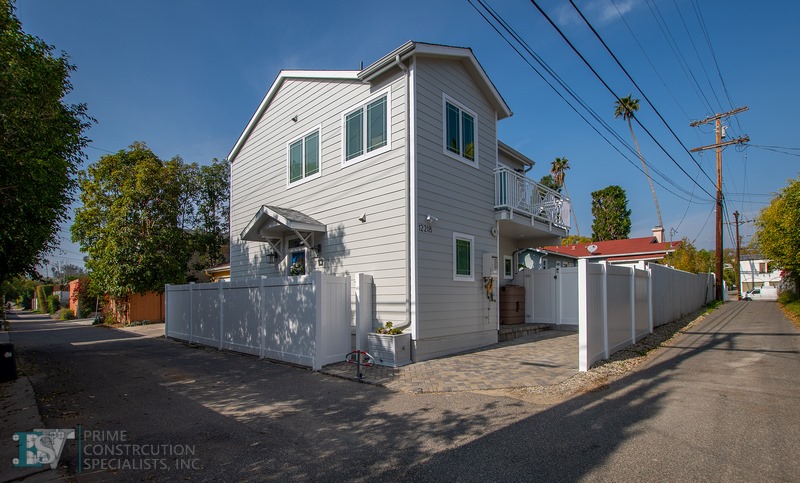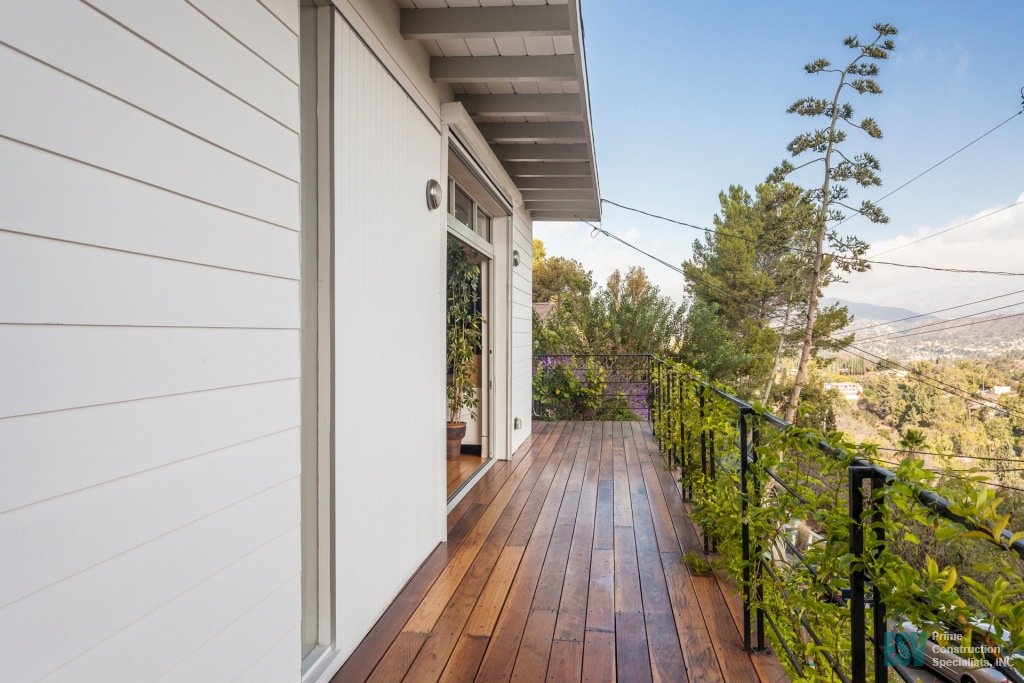
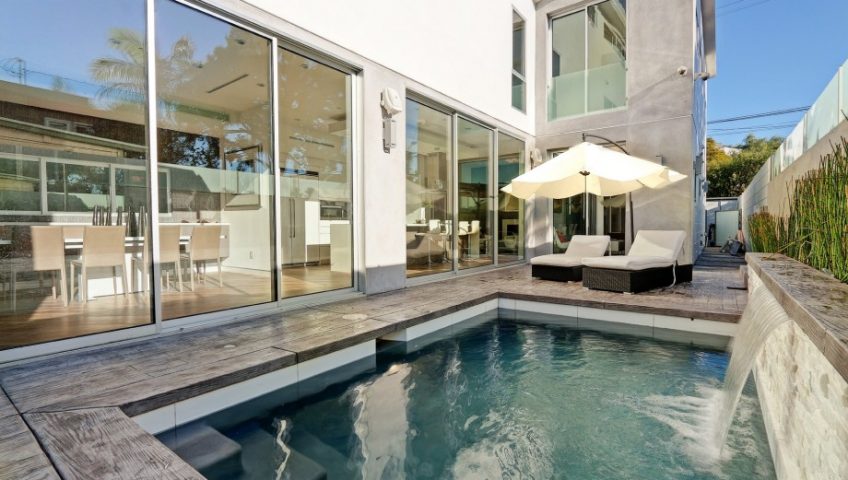
Sustainable building is no longer just an environmental choice, it is a smart financial decision that pays dividends through energy savings, durability, and increased property value. Southern California unique climate demands materials that can handle intense sun, drought conditions, occasional heavy rains, and seismic activity while minimizing environmental impact.
Why Sustainable Building Matters in LA
California's Environmental Leadership:
- Title 24 energy standards (strictest in nation)
- CALGreen building code requirements
- Water conservation mandates
- Net-zero energy goals by 2030
- Strong LEED and green building incentives
Benefits of Sustainable Materials:
Environmental:
- Reduced carbon footprint
- Lower embodied energy
- Waste diversion from landfills
- Preservation of natural resources
- Improved indoor air quality
Financial:
- Energy cost savings: 20-40%
- Water cost savings: 30-50%
- Longer material lifespan
- Higher resale value: 5-10% premium
- Tax incentives and rebates
Health and Comfort:
- Better indoor air quality
- Reduced VOC exposure
- Improved thermal comfort
- Natural lighting optimization
- Moisture control
Sustainable Exterior Materials
1. Walls and Siding
Fiber Cement Siding:
Benefits:
- Durable: 50+ year lifespan
- Fire-resistant (crucial for LA fire zones)
- Termite-proof
- Low maintenance
- Available in many styles (mimics wood, stucco)
- Recyclable content
Brands:
- James Hardie (ColorPlus pre-finished)
- Nichiha
- Allura
Cost: $8-$12 per sq ft installed
Sustainability: 50% fly ash or recycled wood pulp content
Reclaimed Wood Siding:
Benefits:
- Beautiful, unique character
- Diverts waste from landfills
- Lower embodied energy than new lumber
- Naturally weathered appearance
- FSC-certified options
Sources:
- Reclaimed barn wood
- Salvaged building materials
- Sustainably harvested options
Cost: $8-$20 per sq ft installed
Durability: Proper treatment yields 30+ years
Metal Siding:
Options:
- Aluminum (100% recyclable)
- Steel (25-95% recycled content)
- Zinc (fully recyclable, self-healing patina)
- Copper (extremely long-lasting)
Benefits:
- 40-70 year lifespan
- Fire-resistant
- Low maintenance
- Reflects heat (energy savings)
- Fully recyclable at end of life
Cost: $10-$20 per sq ft installed
Stucco with Sustainable Additives:
Traditional Stucco (lime-based):
- Long history in California
- Breathable, moisture-managing
- Lime absorbs CO2 over time
- Natural finish
Modern Options:
- Recycled glass aggregate
- Colored with natural pigments
- Low-VOC formulas
- Enhanced thermal properties
Cost: $6-$10 per sq ft installed
2. Roofing
Cool Roofs:
Requirements:
California Title 24 mandates cool roofs in many applications:
- High solar reflectance
- High thermal emittance
- Reduces cooling costs 10-30%
- Combats urban heat island effect
Materials:
Cool Asphalt Shingles:
- Reflective granules
- 30 year lifespan
- Budget-friendly
- Cost: $3-$5 per sq ft installed
Metal Roofing:
- 40-70 year lifespan
- 25-95% recycled content
- Fully recyclable
- Excellent solar reflectance
- Brands: Classic Metal, ATAS, Berridge
- Cost: $10-$18 per sq ft installed
Clay and Concrete Tiles:
- Traditional LA aesthetic
- 50-100 year lifespan
- Natural materials
- Thermal mass benefits
- Can be recycled
- Cost: $12-$25 per sq ft installed
Solar Shingles:
- Tesla Solar Roof
- CertainTeed Apollo II
- GAF Energy Timberline Solar
- Generate electricity while protecting home
- Cost: $25-$35 per sq ft installed (after incentives)
3. Insulation
Recycled Denim/Cotton:
Brands: UltraTouch, Bonded Logic
Benefits:
- 80% recycled content (post-consumer jeans)
- No formaldehyde or VOCs
- Superior sound dampening
- Easy to handle (no itch)
- R-value: R-13 to R-21 depending on thickness
Cost: $0.80-$1.50 per sq ft
Cellulose:
Benefits:
- 85% recycled paper content
- Treated with borate (fire/pest resistant)
- Excellent air sealing
- Lower embodied energy than fiberglass
- R-value: R-3.5 per inch
Cost: $0.50-$1.00 per sq ft
Spray Foam (Bio-Based):
Products: Icynene, Bio-Based Foam
Benefits:
- Soy or castor bean oil based
- Superior air sealing
- High R-value: R-6 to R-7 per inch
- Moisture resistant
- Renewable content up to 20%
Cost: $1.50-$3.50 per sq ft
Mineral Wool (Rockwool):
Benefits:
- Fire-resistant (melts above 2,000 degreesF)
- Made from volcanic rock and slag
- Excellent sound control
- Water-repellent
- R-value: R-4 per inch
Cost: $0.90-$1.80 per sq ft
4. Windows and Doors
Energy-Efficient Windows:
Requirements for California:
- Low-E coating
- Double or triple pane
- Argon or krypton gas fill
- U-factor: 0.30 or lower
- SHGC: 0.23 or lower (for most climates)
Frame Materials:
Fiberglass:
- Most sustainable option
- 65% less embodied energy than vinyl
- Low expansion/contraction
- 30-50 year lifespan
- Brands: Integrity, Marvin Ultimate
- Cost: $500-$1,200 per window
Aluminum-Clad Wood:
- Renewable wood interior
- Durable aluminum exterior
- Thermally broken for efficiency
- Brands: Andersen, Pella, Marvin
- Cost: $400-$1,000 per window
Recycled Vinyl:
- Some contain recycled content
- Energy-efficient
- Low maintenance
- Less sustainable than other options
- Cost: $300-$600 per window
Impact on Energy Costs:
- Quality windows reduce cooling: 10-25%
- Reduce heating: 10-20%
- Payback period: 8-15 years
Sustainable Doors:
FSC-Certified Wood:
- Sustainably harvested
- Beautiful, natural
- Can be refinished
- Cost: $800-$3,000+
Fiberglass:
- Can mimic wood grain
- Energy-efficient
- Low maintenance
- Cost: $600-$2,500
Steel (recycled content):
- Secure
- Energy-efficient with proper core
- 100% recyclable
- Cost: $500-$2,000
Sustainable Interior Materials
1. Flooring
Bamboo:
Benefits:
- Rapidly renewable (3-5 year harvest)
- Harder than many hardwoods
- Natural beauty
- Carbon sequestering during growth
Types:
- Strand-woven (most durable)
- Horizontal grain
- Vertical grain
Cost: $5-$10 per sq ft installed
Brands: Cali Bamboo, Teragren, Plyboo
Cork:
Benefits:
- Harvested from bark (tree not cut)
- Naturally antimicrobial
- Comfortable, cushioned feel
- Sound dampening
- Hypoallergenic
Cost: $5-$12 per sq ft installed
Brands: USFloors, Wicanders
Reclaimed Hardwood:
Benefits:
- Unique character and history
- Diverts waste from landfills
- Often old-growth, denser than new wood
- Lower embodied energy
Sources:
- Salvaged from old buildings
- Reclaimed barn wood
- Wine barrel staves
- Industrial salvage
Cost: $8-$20 per sq ft installed
Concrete (Polished):
Benefits:
- Uses existing slab (no new materials)
- Thermal mass for passive heating/cooling
- Durable, long-lasting
- Can incorporate recycled glass or aggregate
Finishes:
- Acid staining
- Dye coloring
- Decorative scoring
- Exposed aggregate
Cost: $3-$8 per sq ft for polishing/staining
Tile (Recycled Content):
Options:
- Recycled glass tile (100% recycled content)
- Porcelain with recycled content (up to 40%)
- Terrazzo with recycled aggregate
Brands:
- Fireclay Tile (carbon-neutral, made in CA)
- Crossville Porcelain (recycled content)
- Oceanside Glass Tile
Cost: $10-$30 per sq ft installed
Natural Linoleum (not vinyl):
Benefits:
- Made from linseed oil, wood flour, cork
- Biodegradable
- Antibacterial properties
- 20-40 year lifespan
Brands: Forbo Marmoleum
Cost: $5-$8 per sq ft installed
2. Countertops
Recycled Glass:
Brands:
- Vetrazzo (100% recycled glass)
- IceStone (recycled glass + concrete)
- Curava
Benefits:
- Unique, colorful appearance
- Durable, heat-resistant
- Non-porous
- Made in USA
Cost: $75-$150 per sq ft installed
Recycled Paper Composite:
Brands: PaperStone, Richlite
Benefits:
- Made from FSC-certified paper + non-petroleum resin
- Smooth, warm feel
- Can be shaped and sanded
- Carbon-negative manufacturing
Cost: $60-$100 per sq ft installed
Reclaimed/Salvaged Wood:
Benefits:
- Unique character
- Diverts waste
- Beautiful natural material
- Can be re-finished
Maintenance: Requires sealing, more maintenance than stone
Cost: $50-$150 per sq ft installed
Locally Sourced Soapstone or Slate:
Benefits:
- Natural stone
- No resins or binders
- Locally quarried (lower transportation impact)
- Extremely durable
Cost:
- Soapstone: $70-$120 per sq ft installed
- Slate: $50-$100 per sq ft installed
Quartz with Recycled Content:
Brands (with sustainability programs):
- Cambria (made in USA)
- Caesarstone
- Silestone
Benefits:
- Some lines contain recycled glass or stone
- Non-porous, low-maintenance
- Durable
Cost: $60-$120 per sq ft installed
3. Cabinets
FSC-Certified Wood:
Benefits:
- Sustainably harvested
- Chain-of-custody certified
- Supports responsible forestry
Woods available: Maple, cherry, oak, alder, bamboo
Cost: 15-30% premium over non-certified
Formaldehyde-Free MDF/Plywood:
Options:
- NAF (No Added Formaldehyde)
- NAUF (No Added Urea-Formaldehyde)
- CARB2 compliant (California requirement)
Brands: Columbia Forest Products PureBond
Recycled Content Options:
- Wheatboard (wheat straw byproduct)
- Recycled wood fiber composites
Low-VOC Finishes:
- Water-based stains and topcoats
- Natural oil finishes
- Powder coating for metal
Sustainable Cabinet Brands:
- Neil Kelly Cabinets (Green Guard certified)
- Dura Supreme (FSC-certified options)
- Canyon Creek (sustainable practices)
4. Paint and Finishes
Low/Zero-VOC Paint:
Why It Matters:
- Traditional paint releases harmful VOCs for years
- Improved indoor air quality
- No lingering odor
- Safer for families and installers
Top Brands:
- Sherwin-Williams Harmony (zero-VOC)
- Benjamin Moore Natura (zero-VOC)
- Dunn-Edwards Spartacus (low-VOC)
- Clare Paint (zero-VOC, online)
Cost: Similar to traditional paint ($30-$60/gallon)
Natural Plasters:
- American Clay
- Lime plaster
- Breathable, humidity-regulating
- Beautiful texture
Natural Stains and Sealers:
- Linseed oil-based
- Tung oil
- Beeswax finishes
- Plant-based alternatives to polyurethane
Sustainable Plumbing and Fixtures
Water-Efficient Fixtures:
Low-Flow Toilets:
- Dual-flush: 0.8/1.28 GPF
- High-efficiency: 1.28 GPF (vs. old 3.5-7 GPF)
- Brands: Toto, Kohler, American Standard
- Savings: $100-$200/year for family of 4
Low-Flow Showerheads:
- EPA WaterSense: 2.0 GPM or less
- Modern designs maintain pressure
- Brands: Delta, Moen, Kohler
- Savings: $70/year per shower
Faucet Aerators:
- Kitchen: 1.5 GPM
- Bathroom: 0.5-1.0 GPM
- Savings: $50/year
Greywater Systems:
- Reuse water from sinks, showers, washing machines
- Irrigate landscape
- Reduces fresh water use 30-50%
- LA allows simple systems without permit (laundry to landscape)
Cost: $1,500-$5,000 for residential system
Tankless Water Heaters:
- On-demand hot water
- 24-34% more efficient than tank heaters
- Natural gas or electric
- Endless hot water
- 20+ year lifespan
Brands: Rinnai, Navien, Noritz, Rheem
Cost: $2,500-$4,500 installed
Sustainable Pipe Materials:
PEX (Cross-linked Polyethylene):
- Less energy-intensive to manufacture than copper
- Flexible, fewer fittings needed
- Resistant to corrosion and scale
- Long lifespan
Copper (recycled):
- 100% recyclable
- Long track record
- Natural antimicrobial properties
- Often contains 80-90% recycled content
Sustainable Electrical and HVAC
Energy-Efficient HVAC:
High-Efficiency Systems:
- SEER 16-20+ for AC (California minimum: 14 SEER)
- AFUE 90-98% for gas furnaces
- Heat pumps: 8-10 HSPF
Variable Speed Systems:
- More precise temperature control
- Lower energy use
- Quieter operation
- Better humidity control
Ductless Mini-Splits:
- No duct losses (30% typical loss)
- Zone control
- Heat pump technology
- Brands: Mitsubishi, Daikin, Fujitsu
Solar Attic Fans:
- Reduce attic heat
- Lower AC load
- No electricity cost
- Tax credits available
Electrical Systems:
LED Lighting Throughout:
- 75% less energy than incandescent
- 25-50 times longer lifespan
- No heat generation
- Available in all color temperatures
Solar Panels:
- ROI: 5-10 years in California
- 30% federal tax credit
- Net metering with utility
- Increases home value
Battery Storage:
- Tesla Powerwall
- LG Chem
- Sonnen
- Backup power + time-of-use savings
Smart Electrical Panels:
- Monitor usage
- Remote control
- Backup power management
- Brands: Span, Lumin, Schneider Electric
Certifications and Standards
Building Certifications:
LEED (Leadership in Energy and Environmental Design):
- Certified, Silver, Gold, Platinum levels
- Points for sustainable materials, energy efficiency, water conservation
- Increases property value 5-10%
LEED for Homes costs: $2,500-$15,000 for certification process
Green Point Rated (California-specific):
- Build It Green program
- Mandatory for some California jurisdictions
- Points for green features
- Third-party verification
Living Building Challenge:
- Most rigorous standard
- Net positive energy, water, waste
- Red List Free (no toxic materials)
- Rare but inspirational
Material Certifications:
FSC (Forest Stewardship Council):
- Sustainable forestry
- Chain of custody verified
Cradle to Cradle:
- Material health
- Recyclability
- Renewable energy use
Green Guard:
- Low chemical emissions
- Indoor air quality certification
Energy Star:
- Appliances, windows, HVAC
- Energy efficiency verified
WaterSense (EPA):
- Water-efficient fixtures
- Minimum performance standards
Incentives and Rebates in California
Federal:
Solar Tax Credit: 30% of system cost (through 2032)
Energy Efficient Home Improvement Credit: Up to $3,200/year for:
- Heat pumps
- Windows and doors
- Insulation
- Efficient HVAC
California State:
SGIP (Self-Generation Incentive Program):
- Battery storage rebates
- $200-$250 per kWh
Energy Upgrade California:
- Home energy assessments
- Rebates for efficiency improvements
Local Utilities:
SoCalGas:
- Energy Savings Assistance Program
- Rebates for efficient appliances
LADWP:
- Residential Refrigerator Exchange Program
- AC/heat pump rebates
- Insulation rebates
- Water heater rebates
SoCal Edison:
- Home Energy Advisor (free assessment)
- Appliance rebates
- AC and heat pump rebates
Los Angeles:**LA Better Buildings Challenge**: Technical support and resources
LA Solar + Storage Program: Additional incentives for solar+battery
Working with Your Contractor
Questions to Ask:
1. Do you have experience with sustainable building?
2. Are you familiar with Title 24 and CALGreen codes?
3. Can you source FSC-certified lumber?
4. Do you work with LEED/Green Point raters?
5. Can you recommend sustainable material alternatives?
6. Do you have relationships with specialty suppliers?
Contractor Certifications:
- LEED AP (Accredited Professional)
- Build It Green Certified Professional
- GreenPoint Rater
- HERS Rater certification
Cost Considerations and ROI
Upfront Costs:
Typical Premiums for Sustainable Materials:
- Overall project: 2-10% more than conventional
- Some materials cost less (polished concrete)
- Some cost more (FSC wood, recycled glass)
- Energy systems have higher upfront but strong ROI
Long-Term Savings:
Energy: $1,200-$3,000/year
Water: $200-$600/year
Maintenance: Lower costs with durable materials
Lifespan: Many sustainable materials last longer
Property Value:
- Green-certified homes sell for 5-10% more
- Faster time on market
- Appeal to growing eco-conscious buyer segment
Payback Periods:
- Solar: 5-10 years
- Efficient windows: 8-15 years
- Insulation: 3-7 years
- LED lighting: 1-3 years
- Water fixtures: 2-5 years
ESV Prime Construction: Your Sustainable Building Partner
ESV Prime Construction is committed to sustainable building practices throughout Los Angeles:
Our Sustainable Services:
- Green building consultation
- Sustainable material selection
- Energy-efficient design
- Water conservation strategies
- Waste reduction and recycling during construction
- Coordination with green building raters
Our Approach:
- Discuss sustainability goals during planning
- Recommend cost-effective green alternatives
- Source FSC-certified lumber
- Use low-VOC adhesives and finishes
- Recycle construction waste
- Build to Title 24 and CALGreen standards
Why Choose Us for Green Building:
- Experience with LEED and Green Point projects
- Knowledge of California efficiency requirements
- Relationships with sustainable material suppliers
- Commitment to environmental responsibility
- Help navigating rebates and incentives
Our Process:
1. Green consultation: Discuss your sustainability priorities
2. Material selection: Choose eco-friendly options that fit your budget
3. Efficient design: Optimize energy and water use
4. Quality construction: Build to highest standards
5. Verification: Ensure green features perform as expected
Ready to build green in Los Angeles? Contact ESV Prime Construction at (818) 883-8753 for a sustainable building consultation!
Written & Reviewed by
Ari, Licensed General Contractor
Founder & CEO, ESV Prime Construction Specialists, Inc.
With over 20 years of hands-on experience in residential construction across Los Angeles County, Ari holds California Contractor's State License #861628 (Class B General Building). Every article is based on real project experience and current LA County building codes to ensure homeowners get accurate, actionable information for their construction projects.